
Disclosure: As an Amazon Associate I earn from qualifying purchases. How this site works
Aquarium Decorations for Betta Fish
Bettas have long, delicate fins and like to rest near the surface. The right decorations give them shelter, resting spots and something to explore without risking torn fins.
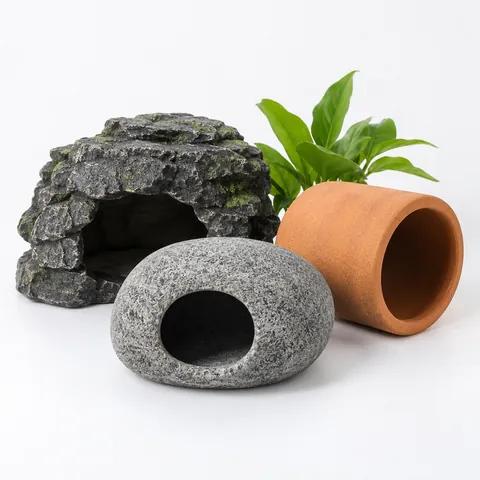 Aquarium caves and hides
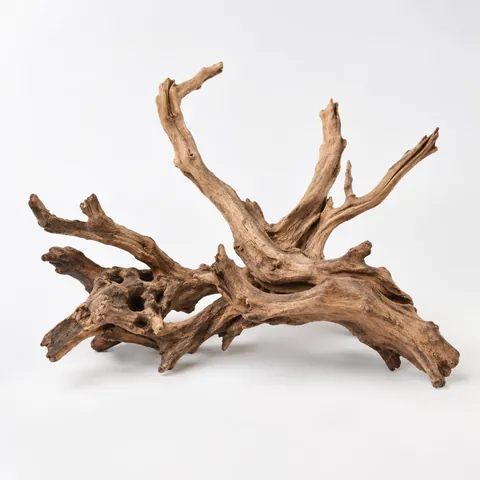 Aquarium driftwood
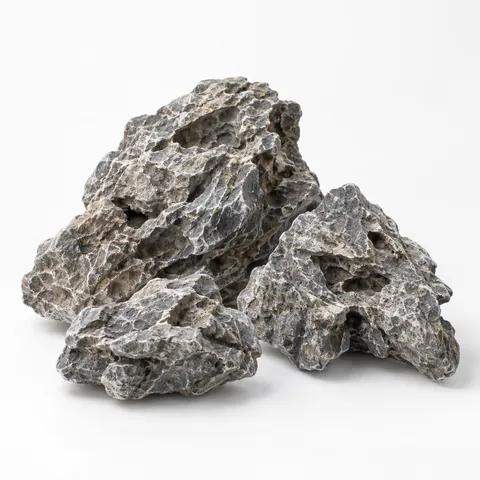 Aquarium rock
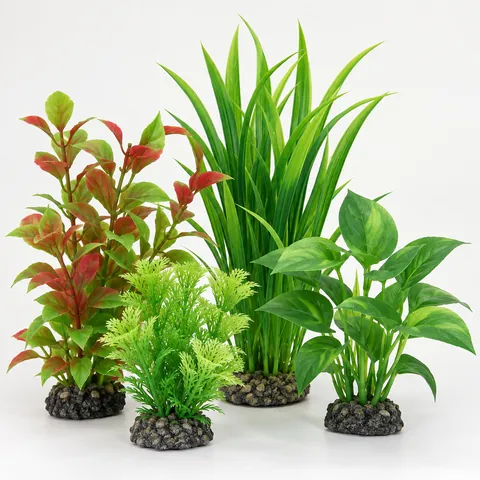 Silk aquarium plants
What bettas need from decorations
- Resting places near the surface, such as a floating log or leaf hammock.
- Soft plants — live or silk — for cover and exploration.
- A smooth cave or tunnel large enough to swim through easily.
- Open space to swim and flare.
- Gentle filter flow, with plants or decorations used to break the current if needed.
Decorations to choose
Look for betta leaf hammocks, floating betta logs and silk plants. Live plants such as anubias, java fern, Amazon swords and floating plants suit bettas well and help water quality.
Decorations to avoid
- Hard plastic plants with sharp edges.
- Ornaments with narrow holes where fins can catch.
- Rough rocks and textured resin close to the surface.
- Anything not made for aquarium use.
The “tights test” works well: drag a pair of nylon tights over a decoration; if it snags, it can tear a betta's fins.
Tank size and layout
Many experienced keepers recommend at least a 5-gallon heated, filtered tank for a single betta. Place a hammock or log near the surface at one end, plants at the back and sides, a cave in the middle and keep the front open. Leave the water surface partly open so the betta can reach air — bettas breathe atmospheric air using their labyrinth organ.
How do you pick betta-safe caves and hides?
A betta cave should be easy to enter, easy to leave and smooth on every surface the fish may touch. Bettas are curious and may wedge themselves into openings that look large enough from the outside, so check both the entrance and any inner passages before the decoration goes in the tank.
- Choose one wide opening or a true swim-through design instead of several small windows.
- Avoid caves with blind pockets, hollow bases or tiny side holes that a betta can push into but not turn around in.
- Run a fingertip around the entrance, inside lip and bottom edge. If it feels gritty, sharp or unfinished, skip it.
- Set heavier caves directly on the tank bottom before adding or leveling substrate so they cannot shift if the betta digs or bumps them.
- Leave enough space above and around the cave for the betta to rise to the surface without squeezing past other decor.
For most bettas, one comfortable shelter is better than a crowded tank full of tight ornaments. A smooth aquarium cave or hide can work well when it is sized for easy turning and placed where you can see if food or waste collects inside.
Where should betta decorations go in the tank?
Good placement makes the tank safer and easier for the fish to use. Think in layers: the surface for breathing and resting, the middle for cover, and the bottom for exploring.
| Tank area | Best decorations | Placement tips |
|---|---|---|
| Near the surface | Leaf hammock, floating log, floating plants | Put resting spots within an easy swim of the surface, but do not cover the whole top of the water. |
| Back and sides | Tall silk plants, live plants, driftwood branches | Use these areas for cover so the front remains open for swimming and viewing. |
| Middle area | Smooth cave, broad-leaf plants, low arch | Keep paths open on both sides so the betta does not feel trapped. |
| Filter outflow area | Tall plants or decor used as a baffle | Break up strong current without blocking the filter intake or stopping circulation. |
| Feeding area | Open water surface | Leave a clear spot where pellets or frozen food are easy to see and remove if uneaten. |
Avoid placing every resting spot at the same end of the aquarium. A hammock on one side and a cave or plant cluster on the other gives the fish choices. If your betta always sleeps in one place, keep that spot stable during future rearrangements.
What materials are best for betta aquarium decorations?
The safest decorations are aquarium-specific, non-metal, non-painted in a way that can flake, and simple enough to inspect. Bettas do not need bright or complex ornaments. They benefit more from smooth surfaces, cover, and calm water.
- Silk plants are usually safer than stiff plastic plants for long fins because the leaves bend when brushed.
- Ceramic and resin decor can be fine when fully glazed or sealed for aquarium use and free of rough seams.
- Natural driftwood can add cover and break sight lines, but it should be sold for aquarium use, rinsed well and soaked if it floats or releases heavy tannins.
- Aquarium rock should be stable, smooth enough for fins and arranged so pieces cannot slide or pinch the fish.
- Suction-cup items should be checked regularly because hardened cups can release and let the decoration fall.
If you want a natural look, use one main piece of aquarium driftwood or smooth aquarium rock as a focal point, then soften the layout with plants. For a low-maintenance planted look without live plant care, choose silk aquarium plants with broad, flexible leaves.
How should you clean new betta decorations before use?
New decorations can carry dust from manufacturing, storage and shipping. Cleaning them before use is simple, but it matters because soap and household cleaners can leave residues that harm fish.
- Rinse the decoration under running water while rubbing all surfaces with clean fingers or a soft brush reserved for aquarium use.
- Inspect seams, holes and undersides for sharp burrs, loose paint, trapped labels or rough glue spots.
- Soak the item in a bucket of dechlorinated water for several hours if it is porous, smells strongly of plastic or tends to float.
- Rinse again before placing it in the tank.
- After 24 hours in the aquarium, check that it has stayed in position and that the betta is not squeezing into unsafe spaces.
Do not use dish soap, bleach, glass cleaner or scented products on aquarium decor unless you are following a specific aquarium-safe disinfection method and can rinse and dechlorinate correctly. For routine cleaning, remove algae with a soft brush during a water change and rinse the piece in old tank water so you do not expose the aquarium to tap-water chemicals unnecessarily.
How much decoration is too much for a betta tank?
A betta tank should feel sheltered without becoming an obstacle course. If the fish must fold its fins to pass through most areas, or if you cannot easily net the fish in an emergency, the tank is too crowded.
- Keep a clear swimming lane across the front or center of the tank.
- Leave open surface area for breathing and feeding.
- Use taller items at the back and shorter items toward the front so you can observe the fish clearly.
- Avoid stacking decor so tightly that debris collects where a siphon cannot reach.
- Make changes gradually if your betta is shy or easily stressed.
Watch the fish after any layout change. A comfortable betta will explore, rest in more than one spot and reach the surface easily. If the fish clamps its fins, hides constantly, struggles against current or repeatedly bumps into decor, simplify the setup and recheck water conditions.
Frequently asked questions
Do bettas need a cave or is a hammock enough?
A hammock and a cave serve different purposes. A hammock gives a near-surface resting place, while a cave offers privacy and a lower shelter. A betta can live without one specific item, but most tanks benefit from at least one safe hide and one easy surface rest.
Are plastic decorations safe for betta fish?
Some plastic aquarium decorations are safe, but stiff leaves, sharp molded edges and small holes are common problems for long-finned bettas. Use only aquarium-safe plastic, inspect every edge, and avoid anything that snags fabric or feels scratchy to your fingers.
Can betta fish get stuck in decorations?
Yes, bettas can get stuck in small openings, hollow ornaments or gaps under decor. Choose wide entrances and avoid holes that are close to the size of the fish’s head or body. If an ornament has unsafe openings, do not rely on the fish to avoid them.
How often should I rearrange a betta tank?
Bettas may enjoy exploring small changes, but frequent full rearrangements can be stressful. If the current layout works, keep the main resting and hiding spots consistent. Make minor adjustments during water changes when you need to improve flow, access or safety.
Do bettas like dark or bright decorations?
Bettas do not require a specific decoration color, but many feel more secure with shaded areas and plant cover. Very reflective or mirror-like decor can encourage repeated flaring, which may stress some fish. Choose colors you like, then focus on smooth surfaces and useful shelter.
Disclosure: As an Amazon Associate I earn from qualifying purchases. This site may earn a commission when you buy through its links, at no extra cost to you. Product details come from public manufacturer information; always check the merchant page for current specifications and prices. We have not hands-on tested the products described here.