
Disclosure: As an Amazon Associate I earn from qualifying purchases. How this site works
Where to Buy Aquarium Decorations
Each category below links to current listings on Amazon (opens in a new tab). Use this checklist to compare aquarium decorations before you buy.
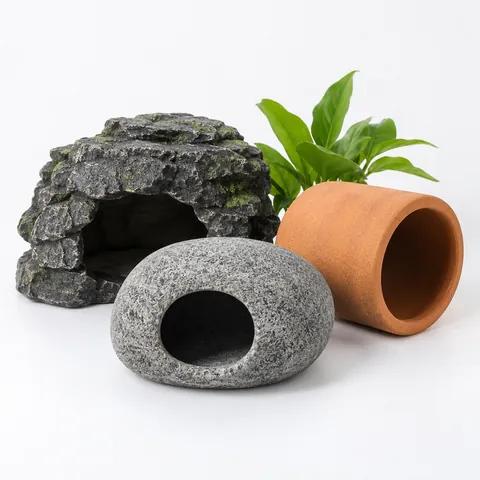 Aquarium caves and hides
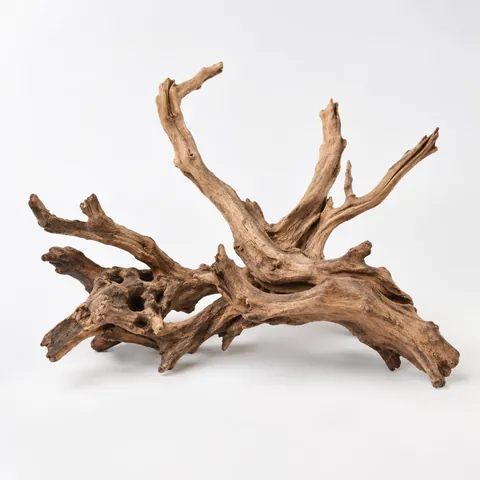 Aquarium driftwood
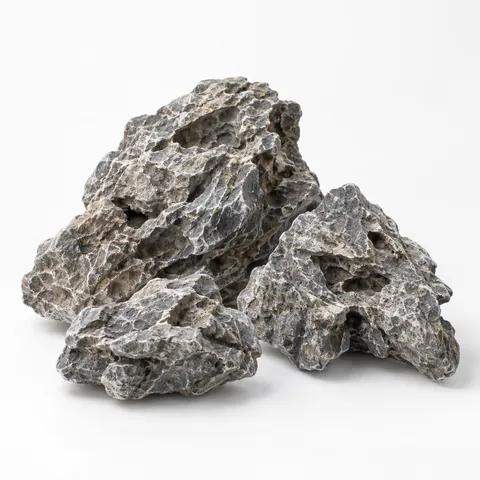 Aquarium rock
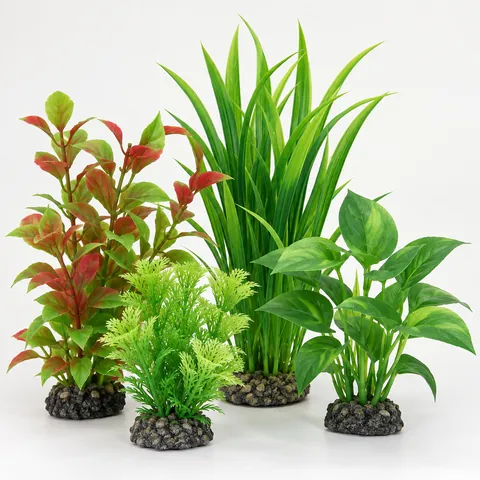 Silk aquarium plants
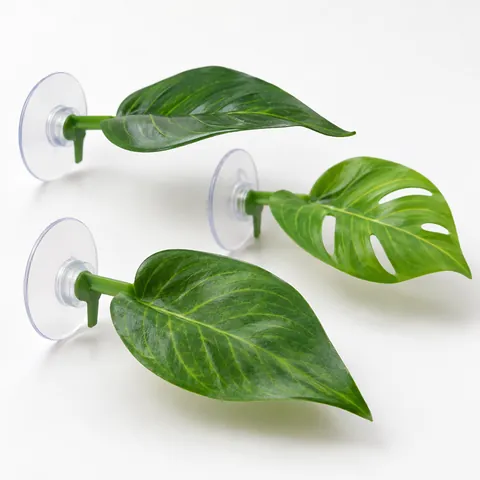 Betta leaf hammocks
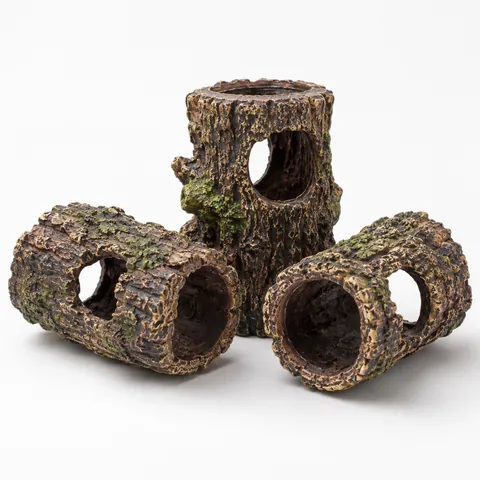 Floating betta logs
Before you buy
- Confirm the item is made for aquarium use.
- Check dimensions against your tank, including height under the lid.
- Look closely at photos for sharp edges and small holes.
- For rock and wood, check whether it affects pH or tints water.
- Read the return policy in case it does not fit.
Categories referenced on this site
- Aquarium caves and hides
- Aquarium driftwood
- Aquarium rock
- Silk aquarium plants
- Betta leaf hammocks
- Floating betta logs
Local fish stores
Local aquarium shops let you see rock and wood in person and pick pieces that fit your layout. Staff can advise on how materials affect water for your fish. Bring your tank's measurements and a photo.
Is it better to buy aquarium decorations online or in a store?
Both can work, but they solve different problems. Buying online is useful when you already know the approximate size, material, and style you want. Buying in person is better when the exact shape matters, especially for natural rock and wood, where every piece is different.
| Place to buy | Best for | Watch out for |
|---|---|---|
| Online marketplace listings | Comparing many shapes, colors, and decoration types from home | Photos may not show the exact piece, and scale can be hard to judge |
| Local fish stores | Choosing individual rock, wood, and hardscape pieces by hand | Selection may be limited to what is in stock that day |
| Large pet supply stores | Basic caves, plants, backgrounds, and small tank decor | Packaging may not show all openings, edges, or interior space |
| Aquarium clubs or local hobbyist groups | Used hardscape, extra plants, and layout ideas | You need to clean items carefully and confirm they were used only in aquariums |
If you are buying online, use the listing as a starting point, not the final answer. Open the full product details, compare the seller photos with customer photos when available, and make sure the decoration is not being shown in a much larger tank than yours. A cave that looks small in a display tank can take up too much swimming space in a desktop aquarium.
How do you compare aquarium decoration listings?
A good listing should make it easy to answer three questions: what is it made of, how big is it, and how will fish interact with it. If those answers are vague, choose a different listing or contact the seller before buying.
- Look for exact dimensions, not just words such as small, medium, or large. Length, width, and height all matter.
- Check whether the measurement includes the widest point. Irregular decorations can be wider at the base than they look in the main photo.
- For caves, compare the entrance size with the adult size of your fish, not the size of the fish today.
- For plants, note whether the base is weighted, suction-cupped, or meant to be buried in substrate.
- For floating decor, check how it attaches or stays in place, especially if you use strong surface agitation.
- For painted or coated ornaments, confirm that the listing says it is intended for aquarium use.
- Avoid decorations with glitter, loose beads, exposed wire, metal parts, or peeling finish.
Pay attention to wording around natural materials. Driftwood may release tannins that tint water brown, which some aquarists like and others do not. Some rock can change water hardness or pH. That is not automatically bad, but it should fit the needs of the fish and plants you keep.
What type of decoration should you buy first?
Start with function, then choose the look. Fish do not care whether a decoration matches your room, but they do benefit from cover, sight breaks, resting spots, and open swimming space. A balanced tank usually has a mix of open areas and sheltered areas rather than being packed wall to wall.
- Choose aquarium caves and hides if your fish like to retreat, defend a small territory, or rest out of the current.
- Choose aquarium driftwood if you want a natural hardscape shape, attachment points for plants, or a darker, more shaded layout.
- Choose aquarium rock if you want structure, height, and a more permanent hardscape, but verify the rock type fits your water goals.
- Choose silk aquarium plants if you want soft cover without maintaining live plants. Silk leaves are usually gentler for long fins than stiff plastic leaves.
- Choose a betta leaf hammock or floating log if you keep a betta and want a resting area near the surface, where bettas often breathe and patrol.
For small tanks, one useful main piece is usually better than several bulky pieces. Leave room for a heater, filter intake, thermometer, and cleaning tools. Also leave a clear path for fish to turn around without scraping against decor.
What should you do when aquarium decorations arrive?
Do not put new decorations straight into the tank just because they are labeled aquarium safe. Inspect and rinse them first. This is especially important with resin ornaments, artificial plants, natural rock, and wood packed with dust or loose fragments.
- Unpack the item and smell it. A strong chemical odor, sticky surface, or flaking finish is a reason to stop and return it.
- Run a finger gently over edges, seams, and openings. If it feels sharp to you, it may scrape fish.
- Check holes and tunnels. Avoid openings that are large enough for a fish to enter but too tight for it to turn around.
- Rinse under running water. Do not use soap, detergent, window cleaner, or household disinfectant.
- For artificial plants, tug lightly on leaves and stems to see if parts come loose.
- For rock, scrub away dust with a clean brush reserved for aquarium use.
- For driftwood, soak it in a separate container if you want to reduce floating or tannin release before adding it to the aquarium.
After adding a new item, watch the tank for the next few days. Make sure fish are not getting trapped, pushed into decor by the filter current, or tearing fins. If an item shifts, tips, or traps debris where you cannot clean, reposition it or remove it.
Where should you avoid buying aquarium decorations?
Avoid buying decorations from sellers who do not clearly state that the item is for aquarium use. General home decor, craft ornaments, garden stones, seashells, painted figurines, and beach finds can introduce coatings, metals, residues, or minerals that do not belong in a fish tank.
Be careful with used items unless you know their history. A secondhand ornament may be fine if it came from a healthy aquarium, but it may also carry residue from medication, copper treatments, or cleaning products. If the prior use is unknown, it is safer to skip it, especially for shrimp, snails, and sensitive fish.
Do not buy based only on color or theme. The safest decoration is one that fits the tank, can be cleaned, will not trap fish, and is made for underwater use. If a listing hides the back side, bottom, or inside of the ornament, keep looking for a better-described option.
Frequently asked questions
Can I put regular rocks from outside in my aquarium?
It is safer to buy rock sold for aquarium use, especially if you are new to fishkeeping. Outdoor rocks may carry pesticides, oil, fertilizer, or minerals that change the water. If you collect your own, you need to identify the rock, clean it without chemicals, and make sure it will not affect your tank in a harmful way.
Are aquarium decorations from online marketplaces safe?
They can be safe if the listing clearly says the item is made for aquarium use and provides useful details about material and size. Avoid vague listings, unbranded craft-style ornaments, and items with metal, glitter, or peeling coatings. Always inspect and rinse the decoration before it goes in the tank.
How big should aquarium decorations be for my tank?
A decoration should fit without crowding the filter, heater, lid, or swimming space. As a rule of thumb, leave open water in the front or middle of the tank and do not choose a piece so tall that it presses against the lid or blocks equipment. For caves, size the entrance for the adult fish, not juveniles.
Should I buy natural or artificial aquarium decorations?
Natural wood and rock can create a realistic layout, but they may affect water color, hardness, or pH depending on the material. Artificial decorations are more predictable in shape and color, but you still need smooth edges and aquarium-safe materials. Choose based on the needs of your fish, the amount of maintenance you want, and the look you prefer.
Can I return aquarium decorations after rinsing them?
Return rules depend on the seller and the condition of the item. Check the return policy before you rinse, soak, trim, or modify anything. If the item arrives damaged, sharp, mislabeled, or the wrong size, take photos before starting a return.
Disclosure: As an Amazon Associate I earn from qualifying purchases. This site may earn a commission when you buy through its links, at no extra cost to you. Product details come from public manufacturer information; always check the merchant page for current specifications and prices. We have not hands-on tested the products described here.